Skip to content



Understanding the DMCA: Safeguarding Intellectual Property Online
The Digital Millennium Copyright Act (DMCA) stands as a pivotal piece of legislation within the realm of copyright law in the United States. Enacted in 1998, its primary objective is to safeguard intellectual property rights in the rapidly evolving landscape of the digital age. With the advent of the internet as a primary platform for content distribution in the early 2000s, the DMCA emerged as a critical response to the challenges posed by the proliferation of digital content and the surge in online piracy.
It also grant immunity from copyright infringement liability for online service providers. The DMCA shields online service providers from liability for copyright infringement committed by their users. In other words, if a user uploads infringing content onto a platform, the platform itself generally cannot be held legally responsible for that infringement as long as it meets certain conditions, such as promptly removing infringing material upon receiving a valid takedown notice from the copyright holder. These immunity protections help encourage the growth of online platforms and facilitate the sharing of user-generated content without unduly burdening service providers with legal liability for their users’ actions.
Key Provisions of the DMCA
However, online service providers are granted immunity from copyright infringement liability for content posted by users if they comply with certain requirements outlined in Section 512. This includes implementing a notice-and-takedown system, whereby copyright holders or their agents can request the removal of infringing content from websites.
Three key requirements from Section 512 (c)(3) shaped the development of the DMCA takedown process:
- Absence of Financial Benefit: Service providers must not receive a direct financial benefit from the infringing activity.
- Lack of Awareness: Service providers must not be aware of the presence of infringing material or have knowledge of any facts or circumstances that would make such material apparent.
- Prompt Action: Upon receiving a valid notice from copyright owners or their agents, service providers must act expeditiously to remove or disable access to the infringing material.
This framework laid the groundwork for the DMCA takedown process, providing right’s owner, their attorney, or authorized agent with a mechanism to protect their intellectual property rights online. However, the effectiveness of the DMCA in combating online piracy and protecting brands has been a subject of debate.
Navigating the DMCA Takedown Process
In brand protection, the DMCA’s Notice and Takedown process serves as a crucial mechanism for copyright owners to address instances of online infringement swiftly. This process, outlined in Section 512 (c)(3) of the DMCA, empowers copyright holders, their attorneys, or authorized agents to request the removal of infringing content from websites and online platforms. To initiate a DMCA Takedown Notice, copyright owners must provide specific information, including the infringing URL and evidence of ownership, to facilitate the removal of unauthorized content. Once a valid notice is received, online service providers are legally obligated to act expeditiously to remove or disable access to the infringing material, thereby mitigating the risk of further infringement.
However, while the DMCA Takedown process represents a valuable tool for copyright enforcement, its effectiveness can be influenced by various factors, including the responsiveness of online platforms and the persistence of infringers. In some cases, copyright owners may encounter challenges in identifying and notifying online service providers of infringing content, particularly in instances where the infringing material is distributed across multiple platforms or hosted on offshore servers.
Moreover, the global nature of online infringement necessitates international cooperation and coordination in enforcing copyright protection measures. While the DMCA is rooted in U.S. copyright law, its principles have been adopted and adapted by other jurisdictions worldwide, For example, in the European Union, the Electronic Commerce Directive of 2000 established a legal framework for electronic commerce, including provisions related to intermediary liability and the removal of illegal content. Although distinct from the DMCA, the principles outlined in the directive align with the goals of copyright enforcement and online content regulation, reflecting global efforts to address digital copyright issues effectively.

The Role of Brand Protection Solutions
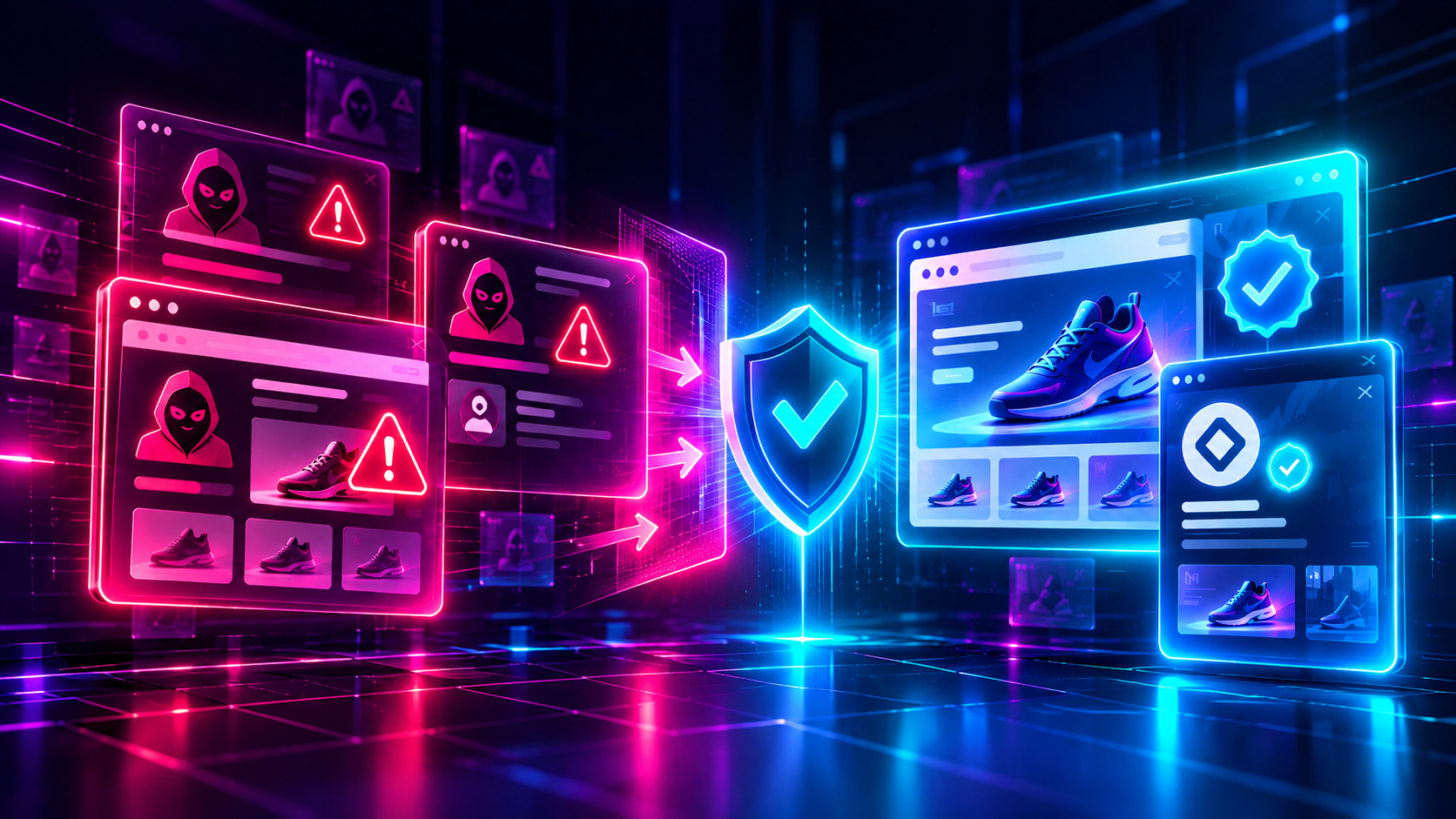
In today’s digital landscape, brands face a myriad of challenges, including the proliferation of counterfeit goods and unauthorized sales. To combat these threats, brands often turn to online brand protection solutions, such as BrandShield, which leverage the power of the DMCA to enforce intellectual property rights. By utilizing DMCA takedown notices, brands can swiftly address instances of infringement, safeguarding their reputation and revenue streams in an increasingly competitive market.
Moreover, in response to the increasing demand for comprehensive brand protection measures, many online service providers have demonstrated a willingness to extend the principles of the Notice and Takedown system beyond copyright infringement to address trademark violations as well. While originally conceived within the realm of copyright enforcement, the effectiveness and adaptability of the DMCA framework have prompted service providers worldwide to adopt similar mechanisms for combating trademark infringement. This expansion underscores the global recognition of the importance of intellectual property rights and reflects a concerted effort to ensure the integrity of brands in the digital sphere, transcending geographical boundaries and legal jurisdictions.
Conclusion
With the proliferation of digital content and the ubiquitous nature of the internet, the need for robust copyright enforcement mechanisms and the role of the DMCA in safeguarding intellectual property rights and combating online piracy remains indispensable. In essence, the DMCA represents more than just a legal framework—it embodies the collective efforts of stakeholders to preserve the integrity of creative works, foster innovation, and promote a safe digital ecosystem. As we navigate the complexities of the digital age, the principles enshrined in the DMCA serve as guiding beacons, reminding us of the enduring importance of protecting intellectual property rights and upholding the values of creativity and innovation in the digital sphere.