
Online Marketplace Scams: Red Flags for Buyers and Sellers
Online marketplace scams often disguise phishing and payment fraud as routine seller verification. Learn the warning signs and how brands can respond.
 Skip to content


Online marketplace scams often disguise phishing and payment fraud as routine seller verification. Learn the warning signs and how brands can respond.
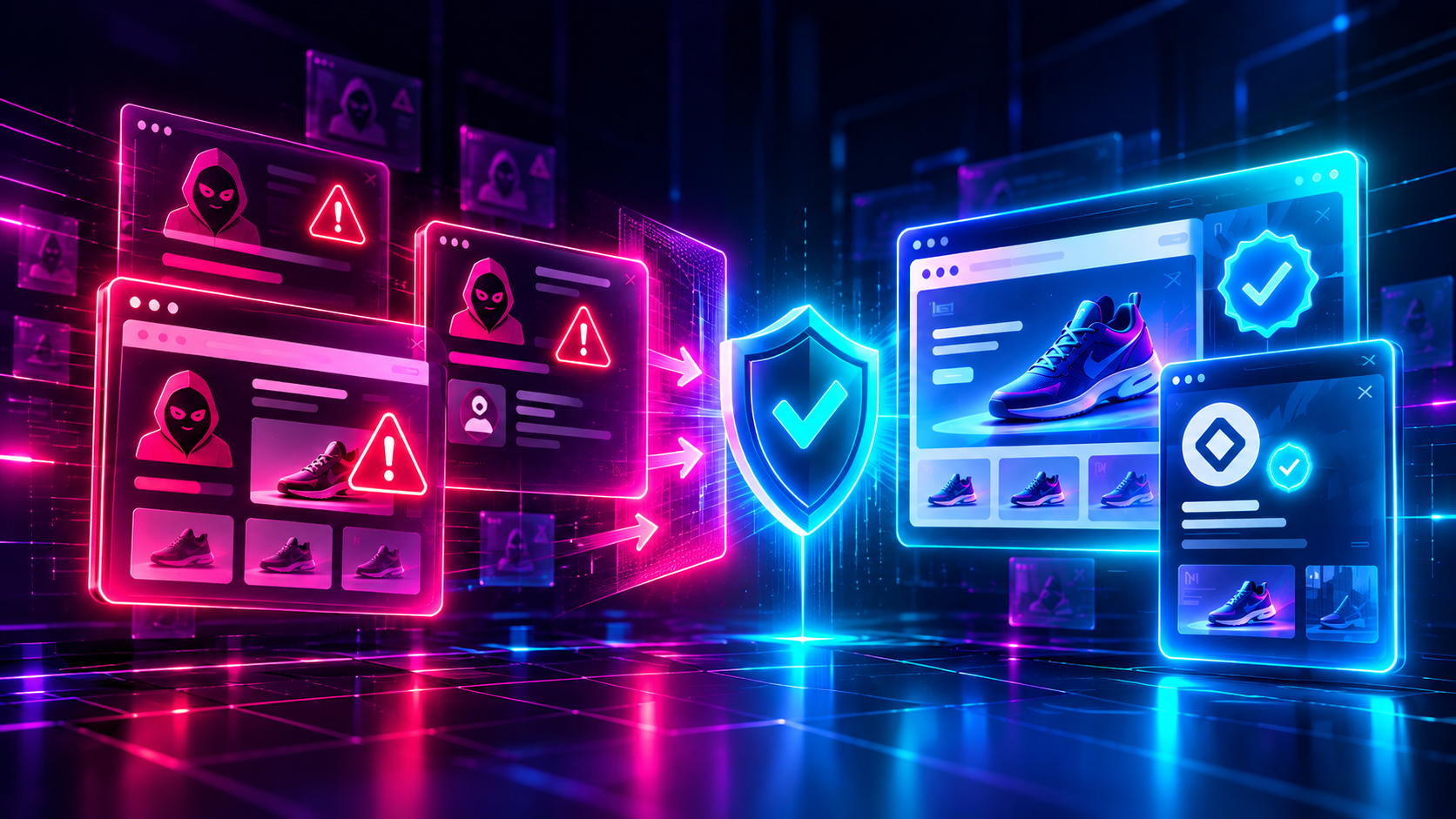
Brand impersonation detection helps businesses identify fake websites, spoofed domains, fraudulent accounts, and coordinated scams. Learn how to uncover threats, investigate suspicious activity, and use AI-powered technology to support faster enforcement.
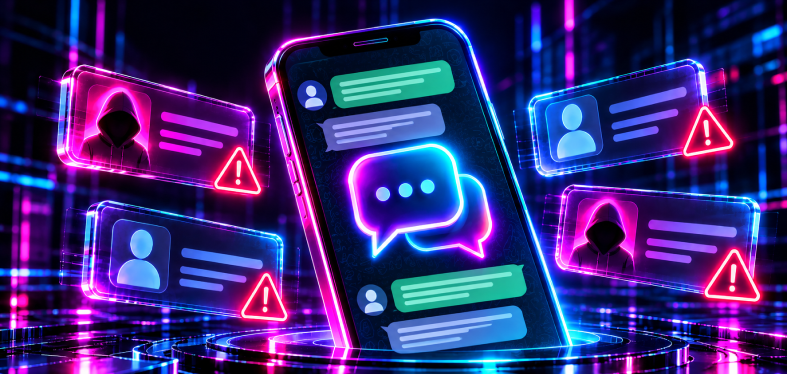
WhatsApp usernames improve privacy, but they also introduce a new identity layer that scammers can exploit. Here is what security and brand protection teams need to know.

Social engineering attacks are becoming faster, cheaper, and more identity-driven. Here are five phishing and impersonation tactics organizations should prepare for in 2027, plus where external cybersecurity fits into the defense strategy.

Gaming scams exploit trusted brands through phishing sites, fake accounts, rogue apps, and fraudulent ads. Learn how gaming and iGaming businesses can protect players and respond quickly.

Brand Phishing turns a company’s trusted identity into part of the attack. Learn how it differs from traditional phishing and how SMB security teams can detect, prevent, and respond to it.
Online marketplace scams often disguise phishing and payment fraud as routine seller verification. Learn the warning signs and how brands can respond.
Brand impersonation detection helps businesses identify fake websites, spoofed domains, fraudulent accounts, and coordinated scams. Learn how to uncover threats, investigate suspicious activity, and use AI-powered technology to support faster enforcement.
WhatsApp usernames improve privacy, but they also introduce a new identity layer that scammers can exploit. Here is what security and brand protection teams need to know.