Skip to content

TikTok Shop counterfeits are fake or unauthorized products sold through TikTok’s social commerce ecosystem. They often spread through viral videos, influencer content, live shopping, dupe culture, and low-cost product listings. For brands, TikTok Shop counterfeits create risks around lost revenue, customer safety, trademark infringement, and long-term brand trust.
What was once an underground economy has moved into mainstream culture. Counterfeit products are no longer hidden in dark corners of the internet. They are trending on TikTok, featured in product reviews, promoted through social commerce, and normalized through “dupe” culture.
From fake Owala-style water bottles and counterfeit beauty products to knockoff fashion, fake UGG-style boots, Stanley cup lookalikes, and imitation Lululemon products, counterfeits have become part of the social shopping experience.
This shift is especially visible on TikTok Shop, where entertainment, influencer content, product discovery, and checkout all happen in one place. That convenience creates growth for legitimate brands. It also creates ideal conditions for counterfeiters.
In this article, we’ll look at why TikTok Shop counterfeits are growing, how dupe culture has changed consumer behavior, what risks fake products create, and what brands can do to protect themselves.
How TikTok Shop Became a Counterfeit Risk
Social commerce has changed how consumers discover and buy products. TikTok Shop makes it easy for users to move from watching a video to buying a product without leaving the app. That creates a powerful shopping experience, especially for younger consumers who discover trends through creators, comments, and short-form video.
However, the same model that makes TikTok Shop effective also creates counterfeit risk. Viral trends move quickly. Products can become popular overnight. When demand spikes and authentic inventory is limited or expensive, counterfeit sellers have an opening.
TikTok Shop counterfeits often succeed because they appear in the same environment as legitimate recommendations. A user sees a creator video, a product demo, a live shopping promotion, or a trending hashtag. The product looks familiar, the price is lower, and the buying path is immediate.
This “scroll, pause, and purchase” behavior reduces the time consumers spend checking whether a seller is authorized or whether the product is real.
For counterfeiters, that is the opportunity.
Why TikTok Shop Counterfeits Spread So Quickly
TikTok Shop counterfeits spread quickly because the platform is built around speed, discovery, and trend participation.
Several factors make TikTok Shop especially attractive to counterfeit sellers:
- Viral demand: Trending products can generate sudden demand that counterfeiters can exploit.
- Low-friction buying: Users can discover and purchase products inside the same app.
- Influencer-driven trust: Creator content can make products feel more credible, even when sellers are not authorized.
- Algorithmic amplification: Popular content can reach large audiences quickly.
- Price sensitivity: Many users are looking for affordable versions of trending products.
- Fast seller rotation: Bad actors can change listings, names, images, or accounts to avoid detection.
The result is a marketplace where counterfeit products can move at the speed of social media.
Dupe Culture Has Made Fake Products Feel Acceptable
One of the biggest challenges for brands is that many consumers no longer see every imitation product as a problem.
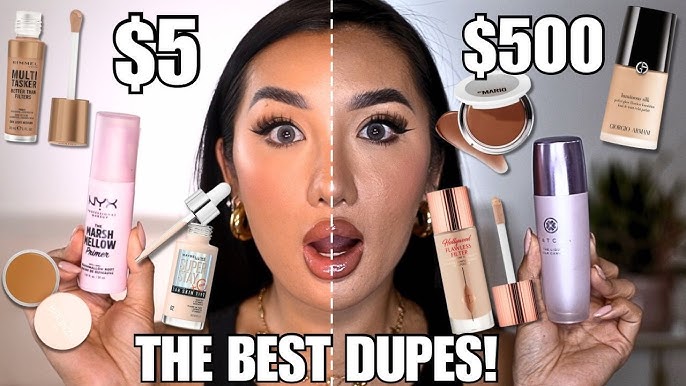
The term “dupe” has become popular across TikTok, Instagram, and YouTube. Short for “duplicate,” it usually refers to a cheaper product that looks or performs like a more expensive item. In many videos, dupes are framed as smart shopping rather than as a warning sign.
There is an important distinction between a dupe and a counterfeit. A dupe may be inspired by a product, but it should not pretend to be the original brand. A counterfeit uses a brand’s name, logo, packaging, product images, or identity to mislead consumers into believing they are buying the real thing.
On social commerce platforms, that distinction can become blurry. A product may be described as a dupe while still copying protected branding, packaging, imagery, or design elements closely enough to confuse buyers.
This creates a difficult environment for brands. Younger shoppers may view fake products as affordable alternatives, while counterfeiters use that cultural acceptance to scale trademark abuse and unauthorized sales.
The Hidden Dangers of Viral Fake Products
TikTok Shop counterfeits are not only a brand problem. They can also be a consumer safety problem.
Unlike legitimate products, counterfeit goods may bypass quality control, product testing, safety standards, and regulatory requirements. This is especially serious in categories such as beauty, skincare, supplements, electronics, toys, personal care, and food-related products.
Fake beauty products may contain unsafe ingredients or bacteria. Counterfeit electronics may overheat or fail. Imitation bottles or food-contact products may use lower-quality materials. Fake toys may lack proper safety testing. Even when a counterfeit product looks similar to the real thing, the materials and manufacturing process may be completely different.
For consumers, the risk is obvious: they may buy a product that is unsafe, defective, or not what they expected.
For brands, the risk is also serious. If a customer has a bad experience with a counterfeit product, they may blame the legitimate brand, even if the brand had nothing to do with the sale.
Learn how BrandShield helps detect and remove counterfeit products online.
Why TikTok Shop Counterfeits Are a Brand Protection Issue
Counterfeits on TikTok Shop affect more than sales. They can damage the entire brand experience.
When fake products spread through social commerce, brands may face:
- Lost revenue: Counterfeit sellers divert sales from official channels and authorized partners.
- Customer confusion: Shoppers may not understand which sellers are legitimate.
- Reputational damage: Low-quality fake products can make the real brand look unreliable.
- Safety concerns: Unsafe counterfeit products can create risk for consumers.
- Trademark infringement: Bad actors may copy logos, names, packaging, and product imagery.
- Support burden: Customers may contact the real brand after buying a fake product elsewhere.
- Channel conflict: Unauthorized sellers can undercut official retail partners.
For brand managers, legal teams, eCommerce teams, and marketing teams, TikTok Shop counterfeits require a coordinated response. The issue is not only legal. It affects customer trust, revenue, campaign performance, and brand equity.
TikTok’s Counterfeit and IP Policies
TikTok states in its intellectual property policy that it does not permit content that violates trademark rights or promotes counterfeit goods. TikTok also says infringing content may be removed and that repeat trademark infringement can lead to account bans.
TikTok Shop has also expanded its IP Protection Center, giving rights holders a centralized place to upload intellectual property documents, submit infringement complaints, review complaint status, and track moderation decisions.
These are important steps. However, platform policies alone do not solve the problem for brands.
Counterfeit sellers often adapt quickly. They may use multiple accounts, rotate product names, change images, alter packaging, move between sellers, or relaunch listings after takedowns. In some cases, they avoid obvious brand terms and rely on visual similarity, influencer content, or product design to attract buyers.
That is why brands cannot rely only on TikTok’s built-in reporting tools. They need their own monitoring and enforcement strategy.
Read TikTok’s Intellectual Property Policy.
Legal and Enforcement Challenges
Counterfeit enforcement has become more difficult because sellers can operate across borders, platforms, and identities. A seller may appear on TikTok Shop, promote through influencer content, redirect traffic to another marketplace, and then reappear under a different account after being removed.
Traditional enforcement methods are still important, but they can feel slow against social commerce abuse. Cease-and-desist letters, manual reporting, and one-off takedown requests are often not enough when counterfeiters can relaunch quickly.
Effective enforcement requires:
- Continuous monitoring of TikTok Shop and related social commerce activity.
- Detection of copied logos, product images, packaging, and seller patterns.
- Evidence collection for each infringing listing or account.
- Platform-specific takedown submissions.
- Tracking of repeat sellers, relisted products, and connected storefronts.
- Escalation when standard reporting does not work.
For global brands, this process is difficult to manage manually. Counterfeit activity moves too fast and appears across too many channels.
What Brands Should Monitor on TikTok Shop
Brands should monitor TikTok Shop counterfeits as part of a broader social commerce protection program. The goal is not only to find obvious fake listings. It is to understand how counterfeit activity spreads across content, sellers, creators, and related channels.
Key areas to monitor include:
Product Listings
Look for unauthorized listings that use your brand name, product names, logos, packaging, product images, or misleading descriptions.
Seller Accounts
Track sellers that repeatedly list suspicious products, change names, or operate across multiple storefronts.
Creator Content
Monitor videos and live shopping content that promote counterfeit products, unauthorized sellers, or misleading “dupes” that cross into infringement.
Product Images and Packaging
Use image recognition to detect copied photos, logo misuse, altered packaging, and lookalike visuals.
External Links and Redirects
Check whether TikTok content drives users to fake stores, unauthorized marketplaces, or cloned websites.
Repeat Abuse Patterns
Identify whether the same seller networks, product images, or promotional tactics keep appearing after takedowns.
How Brands Can Respond to TikTok Shop Counterfeits
Brands need a proactive response that matches the speed of social commerce.
A strong TikTok Shop counterfeit strategy should include:
- Daily monitoring: Track TikTok Shop listings, seller activity, creator content, and related external pages.
- Visual detection: Detect logo misuse, copied product images, packaging imitation, and altered designs.
- Threat prioritization: Focus first on high-volume sellers, unsafe products, viral content, and listings that directly misuse protected IP.
- Evidence packaging: Capture screenshots, seller IDs, product URLs, timestamps, trademark records, and side-by-side comparisons.
- Takedown workflows: Submit complaints through the proper TikTok Shop and platform channels.
- Repeat offender tracking: Watch for relisted products, new seller accounts, and related storefronts.
- Consumer education: Help shoppers understand where to buy authentic products and how to spot suspicious listings.
This approach helps brands move from reactive reporting to proactive marketplace protection.
Explore BrandShield’s Marketplace Brand Protection solution.
How BrandShield Helps Detect TikTok Shop Counterfeits
BrandShield helps brands detect, prioritize, and remove counterfeit products and brand abuse across marketplaces, social media, websites, paid ads, app stores, and other digital channels.
For TikTok Shop counterfeits, BrandShield can help teams monitor suspicious listings, seller activity, copied product images, logo misuse, social promotions, fake stores, and connected abuse networks.
BrandShield combines AI-powered detection, image recognition, threat clustering, risk prioritization, and expert-led enforcement. This helps brands uncover counterfeit activity faster and take action before it spreads further across social commerce channels.
BrandShield’s AI.ClusterX threat clustering helps identify connected seller networks, repeated product images, related storefronts, and coordinated abuse patterns. Instead of treating each listing as an isolated issue, brands can understand the bigger network behind the counterfeit activity.
Explore BrandShield’s Online Brand Protection platform.
Why Waiting Is No Longer an Option
Counterfeit products have always followed demand. What is different now is speed.
A product can go viral on TikTok in the morning and appear in suspicious listings, dupe videos, unauthorized stores, or fake promotions soon after. By the time customers complain, the seller may have already moved to a new account or listing.
Brands that wait for counterfeit activity to become obvious are already behind. TikTok Shop counterfeits need to be monitored continuously, especially when products begin trending or influencer content starts gaining traction.
The brands that respond fastest will be better positioned to protect revenue, customers, and long-term trust.
Final Thoughts: TikTok Shop Counterfeits Are the New Social Commerce Risk
Counterfeiting may be as old as commerce itself, but today’s counterfeit boom is different. It is powered by social media, viral trends, creator influence, algorithmic discovery, and instant checkout.
TikTok Shop has created major opportunities for brands and sellers. It has also created a new environment where fake products can become mainstream quickly.
For brands, the answer is not only stronger trademark registration or occasional takedown requests. Successful protection now requires continuous monitoring, AI-powered detection, marketplace enforcement, creator and seller visibility, and a clear process for removing counterfeit activity before it spreads.
Dupe culture may have made fake products feel more acceptable to some consumers. But for brands, counterfeit activity still creates serious risks around trust, revenue, safety, and reputation.
Need help detecting TikTok Shop counterfeits?
Request a demo with BrandShield to see how AI-powered monitoring and expert-led enforcement can help protect your brand across TikTok Shop, marketplaces, social media, and the wider web.
Frequently Asked Questions
What are TikTok Shop counterfeits?
TikTok Shop counterfeits are fake or unauthorized products sold through TikTok Shop that copy a brand’s name, logo, packaging, product images, or design to mislead consumers.
Why are counterfeits spreading on TikTok Shop?
Counterfeits spread on TikTok Shop because viral trends, creator content, low prices, and in-app purchasing make it easy for suspicious products to reach consumers quickly.
What is the difference between a dupe and a counterfeit?
A dupe is usually a lower-cost product inspired by another item. A counterfeit uses protected brand assets, such as logos, names, packaging, or product images, to make consumers believe they are buying the real product.
Can brands report TikTok Shop counterfeits?
Yes. Rights holders can submit intellectual property complaints through TikTok’s reporting and IP protection processes. However, brands often need broader monitoring to detect repeat sellers, copied images, and connected abuse networks.
How can brands detect TikTok Shop counterfeits faster?
Brands can detect TikTok Shop counterfeits faster by continuously monitoring product listings, seller accounts, creator content, product images, packaging, external links, and repeat abuse patterns.
How does BrandShield help with TikTok Shop counterfeits?
BrandShield helps detect, prioritize, and remove counterfeit listings, copied product images, logo misuse, unauthorized sellers, fake stores, and connected abuse networks across TikTok Shop, marketplaces, social media, and other digital channels.