Skip to content



AI phishing scams are becoming easier to create because vibe coding lets almost anyone build convincing fake websites, login pages, landing pages, and forms with natural-language prompts. Scammers can now clone brand experiences faster, launch more phishing pages, and relaunch campaigns quickly after takedowns.
Vibe coding has changed who can build on the internet.
Not long ago, creating a convincing website, login page, app prototype, or branded landing page required real technical skill. You needed to understand design, code, hosting, forms, layouts, and basic web development.
Today, that barrier is much lower.
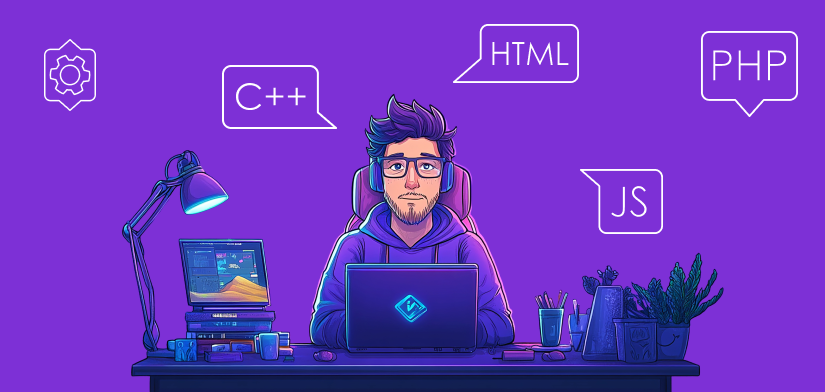
With vibe coding, a user can describe what they want in plain language and let AI generate the code, structure, and design. The term became popular in 2025 after Andrej Karpathy described a new style of coding where users guide AI tools with natural-language prompts instead of writing every line of code manually. Merriam-Webster defines vibe coding as computer programming in which a person describes a problem in natural language and uses AI to generate the code.
For legitimate builders, this is exciting. It means faster prototypes, easier experiments, and more accessible software development.
But there is another side to it.
Vibe coding has also given scammers something they never had before: instant web development capacity.
And that is changing phishing.
What Is Vibe Coding?
Vibe coding is an AI-assisted way to build software, websites, and applications through conversation. Instead of writing code line by line, a user tells an AI tool what they want to create. The AI then generates code, fixes errors, adjusts layouts, and helps refine the final product.
In simple terms, vibe coding lets someone ask AI to build things like:
- A clean login page.
- A product landing page.
- A customer support portal.
- A refund request form.
- A delivery tracking page.
- A branded website template.
For developers and marketing teams, this can save time. For scammers, it removes one of the biggest barriers to launching AI phishing scams: technical skill.
A scammer no longer needs to hire a developer, buy a phishing kit, or manually copy code from a real website. They can use AI to create a convincing page, rewrite the content, adjust the branding, and generate variations quickly.
That speed matters.
Why AI Phishing Scams Are Getting More Convincing
Traditional phishing was often easier to spot. The grammar was weak. The design looked wrong. The page felt broken. The logo was stretched. The message sounded suspicious.
AI has changed that.
Now phishing pages can look polished. The copy can sound professional. The design can match a brand’s tone. The scam can be localized into multiple languages. Even worse, the same campaign can be rebuilt again and again with small changes to avoid detection.
Recent cybersecurity research has shown that large language models can support scalable phishing-related workflows, including phishing classification, warning explanations, and social engineering analysis. Research on large language models and phishing detection also shows how quickly AI is becoming part of the phishing and anti-phishing landscape.
This means phishing is no longer just about fake emails. It is becoming a full digital experience.
A scammer can create a fake ad, send users to a fake landing page, imitate a trusted brand, collect information, and rotate the site once it gets reported. With vibe coding, that entire funnel becomes easier to build.
The New AI Phishing Scam Funnel
The new phishing funnel is faster, cleaner, and harder to catch.
First, scammers identify a trusted brand. This could be a bank, retailer, shipping company, healthcare provider, software platform, travel company, or financial service.
Next, they create a fake digital asset. It may be a cloned login page, fake customer support portal, refund form, delivery tracking page, account verification page, or promotional landing page. With AI-assisted coding, the page can look professional enough to pass a quick glance.
Then they drive traffic to it. They may use paid ads, social media posts, fake profiles, messaging apps, QR codes, or lookalike domains.
The user believes they are interacting with the real brand.
Finally, the page collects sensitive information. This may include login credentials, payment details, personal data, account recovery details, or business information.
The scammer does not need the page to stay online forever. They only need it to work long enough to capture victims before moving to the next domain, page, or campaign.
That is why AI phishing scams are so dangerous. They are not only more convincing. They are more disposable.
Why Vibe Coding Makes Phishing Easier to Scale
Vibe coding changes the economics of phishing.
Before AI, a scammer needed technical knowledge or access to ready-made phishing kits. That limited how fast campaigns could be created and modified.
Now, AI can generate the structure of a fake site, rewrite the messaging, create page variations, and help troubleshoot issues.
This makes phishing easier to scale in several ways:
- Faster build times: Fake landing pages can be created much faster than before.
- More variations: If one fake site gets blocked, another can be launched with different wording, layout, or branding.
- Localization: AI can adapt phishing pages into different languages and regional formats.
- Better copy: AI-generated content reduces the spelling and grammar mistakes that once made phishing easier to detect.
- Rapid testing: Scammers can test different pages, messages, and designs to see which versions work best.
In other words, phishing is starting to look more like growth marketing for fraud.
What AI Phishing Scams Mean for Brands
For brands, the risk is not only that customers may be scammed. The bigger issue is that the scam happens under your identity.
A phishing site using your logo can damage trust. A fake support page can make customers question whether your real support channels are safe. A fraudulent ad can divert traffic away from your official website. A cloned login page can create security incidents that customers associate with your company.
Even when the brand did nothing wrong, customers may still blame the brand.
That is the core problem with AI phishing scams. They weaponize the trust brands have spent years building.
Learn how BrandShield helps detect and remove phishing sites.
Why Manual Monitoring Is Not Enough
Manual monitoring cannot keep up with vibe-coded phishing.
The volume is too high. The pages change too quickly. The domains rotate. The ads are often geo-targeted. The fake pages may appear in markets your team is not actively checking.
In addition, AI-generated phishing pages may not use obvious keywords. They may rely on copied visuals, logos, layouts, or forms. That makes simple keyword searches less effective.
Brands need to monitor the full external attack surface, including:
- Websites and lookalike domains.
- Paid search and social ads.
- Fake social media profiles.
- Messaging platforms.
- Mobile app stores.
- Search results.
- AI-generated brand mentions.
- Cloned landing pages.
The goal is not only to find one fake page. The goal is to understand the network behind it.
Explore BrandShield’s Impersonation Protection solution.
How Brands Can Respond to AI Phishing Scams
The first step is continuous detection. Brands need visibility across the channels where phishing actually appears, not only their owned website and social media pages.
Next, they need prioritization. Not every suspicious page carries the same risk. A fake login page collecting credentials should be treated differently from a low-traffic page with limited exposure.
Then, brands need fast enforcement. Once a phishing threat is confirmed, takedown requests should move quickly across registrars, hosting providers, platforms, ad networks, and other relevant channels.
Finally, teams need reporting. Legal, security, marketing, and customer support teams all need to understand what was found, what was removed, and whether the threat is part of a larger pattern.
How BrandShield Helps Detect and Remove AI Phishing Scams
BrandShield helps companies detect, prioritize, and remove phishing sites, fake domains, impersonation pages, scam ads, rogue apps, and other digital risks before they spread.
Our AI-powered digital risk protection platform monitors websites, domains, marketplaces, social media, paid ads, app stores, and other digital channels for brand abuse. This includes cloned websites, fake support pages, lookalike domains, and phishing campaigns that misuse trusted brand assets.
BrandShield also helps connect related threats across channels. A fake domain, paid ad, cloned landing page, and social profile may appear separate at first. In reality, they may be part of the same campaign. BrandShield’s AI.ClusterX threat clustering helps uncover these connections so teams can prioritize critical risks first.
Explore BrandShield’s External Cybersecurity solution.
The Future of AI Phishing Scams
Vibe coding is not going away. AI-assisted development will continue to help legitimate teams build faster. However, it will also continue to help scammers build faster.
That means phishing protection has to evolve.
The next generation of phishing will not look like broken emails and poorly designed fake pages. It will look polished, localized, personalized, and brand-consistent. It will use AI-generated copy, cloned design patterns, fake support flows, and disposable infrastructure.
For brands, the answer is not to monitor harder manually. The answer is to monitor smarter.
AI gave every scammer a web developer. Now brands need AI-powered detection, threat clustering, and expert enforcement to keep up.
Final Thoughts
Vibe coding has lowered the barrier to building online. That is good for innovation, but it is also good for scammers.
AI phishing scams are becoming easier to create, harder to spot, and faster to relaunch. They can imitate trusted brands, capture sensitive information, and disappear before manual teams catch them.
For companies, this is now a brand protection issue, a cybersecurity issue, and a customer trust issue.
The brands that respond fastest will be the ones that treat AI phishing as an external digital risk, not just an email security problem.
Want to see where your brand is being impersonated online?
Request a demo with BrandShield to see how AI-powered monitoring can help detect and remove phishing sites, fake domains, impersonation pages, scam ads, rogue apps, and other digital risks.
Frequently Asked Questions
What are AI phishing scams?
AI phishing scams use artificial intelligence to create more convincing phishing emails, fake websites, landing pages, ads, forms, and impersonation campaigns. These scams often misuse trusted brand assets to deceive users.
How does vibe coding help scammers?
Vibe coding lets users build websites and applications with natural-language prompts. Scammers can abuse this workflow to create convincing fake login pages, support portals, landing pages, and phishing forms faster than before.
Why are AI phishing scams harder to detect?
AI phishing scams are harder to detect because they can use polished copy, realistic designs, localized language, cloned layouts, and quickly changing domains or page variations.
What channels should brands monitor for AI phishing?
Brands should monitor websites, lookalike domains, paid ads, social media, messaging platforms, app stores, search results, and cloned landing pages for signs of phishing and impersonation.
How can BrandShield help stop AI phishing scams?
BrandShield helps detect, prioritize, and remove phishing sites, fake domains, impersonation pages, scam ads, rogue apps, and connected abuse networks across digital channels.