Skip to content


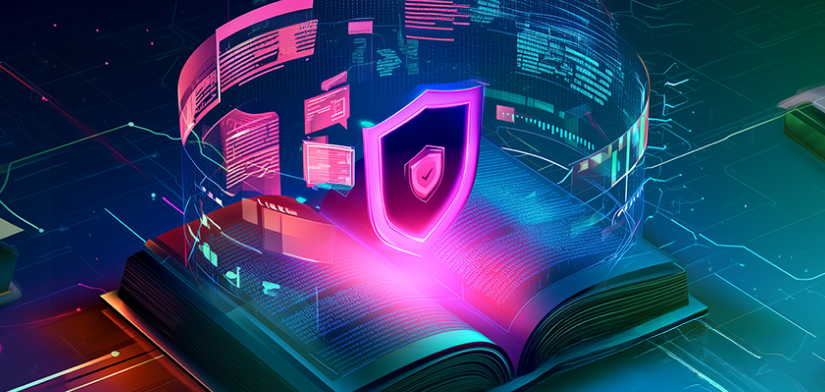
Online brand protection helps businesses find and stop misuse of their brand across websites, marketplaces, social media, domains, ads, and other digital channels. It matters because counterfeits, impersonation, phishing, and IP abuse can damage revenue, trust, and reputation.
As more business moves online, brands face more ways to be copied or misused. For example, counterfeit sellers can copy product images, scammers can create fake websites, and impersonators can pose as a company on social media. Therefore, online brand protection is important for businesses of all sizes. It helps protect intellectual property, customer trust, revenue, and the company’s digital identity. In this article, we explain online brand protection, why it matters, and how companies can build a long-term strategy. We also look at counterfeiting, intellectual property violations, phishing, fake websites, and other forms of online infringement.
Key Takeaways
- Online brand protection helps companies protect their identity, intellectual property, reputation, and digital assets.
- Common threats include counterfeiting, cybersquatting, trademark infringement, social media impersonation, and phishing.
- Early detection helps brands respond before online abuse spreads or causes more damage.
- Effective protection requires ongoing monitoring across websites, marketplaces, domains, social media, and other digital channels.
- Legal, marketing, security, and brand teams should work together to identify and respond to online threats.
Table of Contents
- What Is Online Brand Protection?
- Why Is Online Brand Protection Essential for Every Business?
- What Are the Key Benefits of Online Brand Protection?
- What Are the Main Types of Online Brand Infringement?
- Online Brand Protection by Industry
- How to Choose an Online Brand Protection Solution
- How Can Companies Take Down Fake Websites and Brand Infringements?
- How Do You Build a Long-Term Online Brand Protection Strategy?
- Key Statistics on Online Brand Abuse
- Online Brand Protection FAQ
What Is Online Brand Protection?
Online brand protection is the process of finding, preventing, and responding to unauthorized use of a brand’s identity, intellectual property, products, and digital assets online. For example, this can include protecting trademarks, patents, copyrights, domain names, social media accounts, and product images. However, online brand protection is not only about legal safeguards. It also helps maintain the integrity of a brand across digital channels. Brand management focuses on building a strong identity and presence. In contrast, online brand protection helps make sure others do not misuse or steal that identity. A successful online brand protection strategy covers:
- Trademarks: Protecting your logo, brand name, and symbols from unauthorized use.
- Patents: Protecting innovations and unique technologies from exploitation.
- Copyrights: Protecting content, designs, product images, and other creative assets.
- Digital presence: Monitoring domain names, social media profiles, websites, marketplaces, and online reputation.
For more information on intellectual property rights, see the World Intellectual Property Organization’s overview of intellectual property.
Why Is Online Brand Protection Essential for Every Business?
Online brand protection matters because misuse of a company’s name, products, or identity can harm revenue, reputation, customer trust, and intellectual property. The digital economy gives businesses more ways to reach customers. However, it also gives bad actors more places to copy and misuse brands. Without a strong online brand protection strategy, companies can face risks across websites, marketplaces, social media, domains, and other online channels.
1. Protecting Your Company’s Reputation
Your brand shapes how customers see your business. Therefore, counterfeits and impersonation can quickly damage that perception. For example, fake products may create safety concerns in industries such as fashion, electronics, and pharmaceuticals. As a result, customers may blame the real brand for a poor or unsafe product it never produced.
2. Preserving Revenue Streams
Counterfeiters and online fraudsters can divert revenue by selling fake products under a trusted brand name. According to the International Chamber of Commerce, counterfeit products accounted for nearly $500 billion in global losses in 2023. For broader research on counterfeit trade, see the OECD’s research on counterfeit and pirated goods. When fake goods enter the market, customers may buy from counterfeit sellers instead of legitimate channels. Therefore, counterfeiting can affect both sales and long-term brand value.
3. Maintaining Customer Trust
Customers expect products, websites, social accounts, and advertisements carrying your name to be genuine. However, a customer who unknowingly buys a counterfeit product may still associate a poor experience with your company. As a result, online brand protection plays an important role in maintaining customer confidence.
What Are the Key Benefits of Online Brand Protection?
Online brand protection helps companies detect misuse early, protect digital assets, reduce the spread of counterfeits, and preserve customer trust. As brands move more of their sales and customer activity online, these benefits become more important.
1. Safeguarding Digital Assets
Domain names, websites, social media accounts, and other digital assets represent your business online. Therefore, companies should monitor these assets and look for unauthorized copies. This can help prevent scammers or impersonators from hijacking the brand’s identity.
2. Early Detection of Brand Misuse
Early detection gives companies more time to respond before a threat spreads. For example, monitoring can help identify unauthorized sellers, fake websites, suspicious domains, and brand impersonation. Therefore, teams can investigate threats before more customers encounter them.
3. Preventing Counterfeiting
Online brand protection also plays a key role in reducing counterfeit activity. For example, businesses can monitor eCommerce platforms, social media, and websites for fake products. They can then report confirmed infringements and seek removal. Learn more about BrandShield’s online counterfeit protection.
4. Reducing Legal Costs
Early action can reduce the need for longer legal disputes. Therefore, proactive monitoring may help companies address some brand infringements before they grow into larger enforcement problems.
5. Enhancing Customer Trust
Customers are more likely to trust a brand when they can clearly identify its official products and digital channels. As a result, protecting those channels can help preserve confidence and long-term loyalty.
What Are the Main Types of Online Brand Infringement?
Common forms of online brand infringement include counterfeiting, cybersquatting, trademark misuse, intellectual property theft, social impersonation, and phishing. Understanding each threat can help companies build a more focused response strategy.
- Counterfeiting: Creating unauthorized copies of branded products and presenting them as genuine. For example, counterfeit listings on marketplaces like Amazon, eBay, and Alibaba can redirect sales away from a brand and expose customers to unsafe or substandard products.
- Cybersquatting: Registering domain names similar to a brand to mislead customers or demand payment. For example, a scammer may register “brandname-support.com” or “brandname-official.net” and use these domains to redirect customers or run phishing campaigns.
- Trademark Infringement: Using a brand’s name, logo, or symbol without authorization. This can appear in paid search ads, social media profiles, or websites where bad actors use a recognizable brand to attract traffic and customers.
- Intellectual Property Theft: Using copyrighted materials, patents, or other protected assets without permission. This includes copying product images, website designs, and marketing content to build convincing fake storefronts.
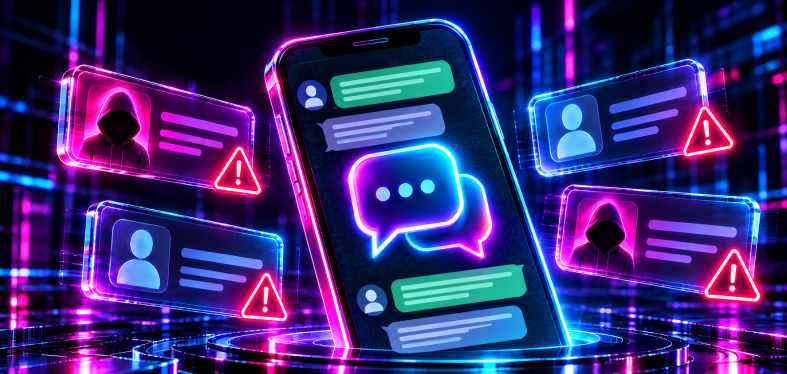
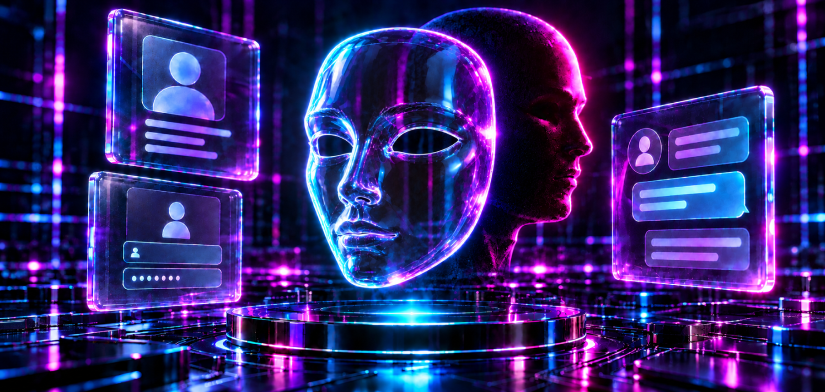
- Social Media Impersonation: Creating fake social media accounts that pose as a brand, executive, employee, or support team. For example, fake customer service accounts on X (Twitter) or WhatsApp may contact customers directly and attempt to collect credentials or payment details.
- Phishing: Using fake websites, emails, messages, or other content that copies a brand to steal information or money. Phishing campaigns often combine fake domains, copied brand assets, and paid ads to increase their reach and credibility.
- Fake Paid Ads: Running paid search or social media advertisements that use a brand’s name or trademark to drive traffic to fraudulent websites. These ads can appear above legitimate search results and intercept customers at the moment of purchase.
- Rogue Mobile Apps: Publishing unauthorized apps that impersonate a brand on the Apple App Store, Google Play, or third-party app stores. These apps may steal login credentials, install malware, or charge customers for services the brand never authorized.
For example, cybersquatting and phishing can overlap when a scammer registers a lookalike domain and uses it to host a fake login page. The Internet Corporation for Assigned Names and Numbers provides information about the Uniform Domain Name Dispute Resolution Policy, which applies to certain domain-name disputes.
Online Brand Protection by Industry
While online brand protection applies to businesses of all sizes, the specific threats a company faces often depend on its industry, customer base, and digital footprint. Understanding the most common threats in your sector can help prioritize monitoring and enforcement activity.
Pharmaceuticals
Pharmaceutical brands face some of the highest-risk counterfeiting activity online. Fake online pharmacies, counterfeit drug listings, and unauthorized resellers can put patients at serious risk. Regulatory bodies in many countries have strengthened enforcement, but the volume of suspicious sites continues to grow. BrandShield monitors pharmaceutical brands across domains, social media, and marketplaces for unauthorized resellers and fake pharmacy sites. Learn more about brand protection for pharmaceutical companies.
Fashion and Luxury
Luxury and fashion brands are consistently among the most counterfeited in the world. Fake products appear across global marketplaces, social commerce platforms, and standalone websites. Lookalike domains and fake social accounts are also common, particularly around new product launches or seasonal campaigns.
Financial Services
Financial brands face phishing campaigns, fake investment platforms, and executive impersonation at scale. A convincing fake website or social media account impersonating a bank, broker, or fintech company can lead to direct financial losses for customers and significant regulatory and reputational damage for the brand. Learn more about brand protection for financial services.
Gaming and iGaming
Gaming companies face impersonation of both brand accounts and individual executives, as well as fake in-game item sellers and unauthorized app stores distributing modified versions of games. iGaming brands face additional exposure from fraudulent affiliate sites and fake bonus promotions. Learn more about brand protection for gaming companies.
Cryptocurrency and Digital Assets
Crypto brands are among the most impersonated online. Fake exchange sites, fraudulent token promotions, and impersonated executive accounts can move quickly across social media and messaging platforms. The speed of crypto transactions means customers can lose funds before a takedown request is processed through normal channels. Learn more about brand protection for cryptocurrency companies.
Technology and SaaS
Technology brands face rogue app listings, fake support accounts, and phishing sites that copy login pages to harvest credentials. As AI tools become more widely adopted, fake AI-powered tools impersonating legitimate SaaS products have also increased.
How to Choose an Online Brand Protection Solution
Choosing the right online brand protection solution depends on the size of your brand’s digital footprint, the types of threats you face most often, and how your team handles enforcement. With a growing number of tools and platforms available, it helps to evaluate options against a consistent set of criteria.
Coverage and Detection
Look for a solution that monitors across the full range of digital channels where your brand appears, including websites, domains, social media, marketplaces, paid ads, app stores, and the dark web. A tool that monitors only one or two channels will miss threats that appear elsewhere.
Detection Speed
The faster a threat is detected, the less damage it can cause. Ask vendors how frequently their systems scan for new threats and how quickly you receive alerts after a new threat is identified.
Enforcement and Takedown Support
Detection alone is not enough. Some tools only alert you to threats and leave takedown requests to your team. Others, including BrandShield, provide dedicated enforcement support that handles takedown requests on your behalf. For brands dealing with a high volume of infringements, expert enforcement support can significantly reduce the workload on internal legal and security teams.
AI and Automation
Manual review of every potential threat is not scalable. Look for solutions that use AI to prioritize threats by severity, group related activity, and reduce false positives. BrandShield’s AI.ClusterX threat clustering connects related threats by origin, tactic, and actor, helping teams focus enforcement on the highest-risk activity first.
Reporting and Visibility
Your team needs clear reporting to understand what threats are active, what has been removed, and where risks are growing. Look for dashboards that give legal, security, and brand teams the visibility they need without requiring technical expertise to interpret.
Questions to Ask a Vendor
- Which digital channels and platforms does your solution monitor?
- How quickly are new threats detected and surfaced?
- Do you handle takedown requests, or do we manage enforcement ourselves?
- How does your solution prioritize threats?
- Can you provide references from companies in our industry?
- How does your solution handle threats that involve multiple platforms or operators?
How Can Companies Take Down Fake Websites and Brand Infringements?
Companies can respond to fake websites by detecting the threat, collecting evidence, reporting the violation to the relevant provider or platform, and escalating when needed. Takedown processes vary by threat and platform. However, the basic steps often remain similar.
- Monitor for Fake Websites: Use online brand monitoring tools to identify websites, domains, and pages that imitate your brand.
- Collect Evidence: Save URLs, screenshots, brand assets, and other evidence before taking action.
- File Takedown Requests: Contact hosting providers, domain registrars, search engines, marketplaces, or other platforms. In addition, provide evidence that supports the complaint.
- Use Legal Action When Needed: For repeat or serious offenders, legal teams may need to take further action.
- Report Social Media Abuse: Report fake accounts, counterfeit listings, or scam advertisements to the relevant platform.
For phishing websites, customer-facing fraud, and other external cyber threats, BrandShield’s External Cybersecurity solution helps organizations detect and respond to risks beyond their own perimeter.
How Do You Build a Long-Term Online Brand Protection Strategy?
A long-term online brand protection strategy combines continuous monitoring, clear internal ownership, employee awareness, risk prioritization, and ongoing enforcement. A one-time search or takedown is not enough. Instead, companies need an ongoing process that can adapt as threats and digital channels change.
- Continuous Monitoring: Use tools that provide ongoing alerts for suspicious brand activity.
- Cross-Functional Collaboration: Bring together legal, marketing, security, brand protection, and operations teams where needed.
- Employee Education: Train employees to recognize suspicious websites, impersonation, and other common forms of brand abuse.
- Prioritize Critical Risks: Focus first on threats that can harm customers, steal credentials, divert payments, or damage revenue.
- Prepare for Future Risks: Keep your strategy current as new platforms, technologies, and digital threats emerge.
In addition, companies should look for links between individual threats. For example, one operator may control a fake website, several marketplace listings, social accounts, and fraudulent ads. Therefore, BrandShield’s AI.ClusterX threat clustering helps connect related digital threats and reveal larger abuse networks.
Key Statistics on Online Brand Abuse
The scale of online brand abuse continues to grow as more commerce and communication moves to digital channels. The following statistics highlight the scope of the problem across key threat categories.
- Counterfeit and pirated goods account for up to 3.3% of global trade, according to the OECD and the EU Intellectual Property Office.
- The global counterfeit goods market was estimated at nearly $500 billion in losses in 2023, according to the International Chamber of Commerce.
- Phishing remains one of the most common forms of cybercrime, with the number of phishing sites increasing significantly year over year, according to the Anti-Phishing Working Group.
- BrandShield’s annual CyberScam Report found that AI-generated phishing sites and deepfake impersonations are among the fastest-growing threat categories for brands in 2025 and 2026. Read the full BrandShield CyberScam Report.
- Fake social media accounts impersonating brands are reported in every major industry, with financial services, technology, and consumer goods among the most frequently targeted sectors.
Online Brand Protection FAQ
What Is Online Brand Protection?
Online brand protection is the process of detecting, preventing, and responding to unauthorized use of a company’s brand, products, identity, and intellectual property online. It can cover websites, marketplaces, social media, domains, ads, mobile apps, and other digital channels.
Why Is Online Brand Protection Important?
Online brand protection helps protect revenue, customer trust, reputation, and intellectual property. It can also help companies identify counterfeits, fake websites, impersonation, and phishing before those threats reach more customers.
What Threats Does Online Brand Protection Cover?
Online brand protection can cover counterfeiting, trademark infringement, cybersquatting, phishing, social impersonation, fake websites, unauthorized sellers, rogue apps, and fraudulent ads. The exact risks vary by company and industry.
How Does Online Brand Protection Detect Fake Websites?
Brand protection tools can monitor domains, website content, logos, keywords, images, and other signals to identify sites that may copy or misuse a brand. Teams can then review suspicious findings and take enforcement action when needed.
Can Online Brand Protection Help Remove Counterfeit Products?
Yes. Online brand protection can help identify counterfeit listings and support enforcement requests to marketplaces, websites, social platforms, and other channels. However, the exact takedown process depends on the platform and the available evidence.
What Is the Difference Between Brand Monitoring and Brand Protection?
Brand monitoring refers to tracking where and how a brand appears online. Brand protection goes further by acting on what is found. Monitoring identifies the threat. Brand protection includes the enforcement process of reporting, requesting removal, and escalating where needed. Some tools only provide monitoring, while others, such as BrandShield, combine detection with active enforcement support.
What Is AI-Powered Brand Protection?
AI-powered brand protection uses artificial intelligence to detect, classify, and prioritize brand threats at a scale and speed that manual processes cannot match. AI can analyze large volumes of domains, social media content, marketplace listings, and other digital signals to identify potential infringements faster and with fewer false positives. BrandShield’s AI.ClusterX technology groups related threats by origin, tactic, and actor to help enforcement teams focus on the highest-risk activity first.
How Long Does a Brand Infringement Takedown Take?
Takedown timelines vary depending on the platform, the type of infringement, and the strength of the evidence provided. Some platforms process takedown requests within hours. Others, particularly for complex legal disputes or repeat offenders, can take days or weeks. Working with a dedicated enforcement team and maintaining clear documentation of your intellectual property can help speed up the process.
Does My Business Need Online Brand Protection Even If It Is Not a Large Enterprise?
Yes. Businesses of all sizes are targeted by counterfeiters, impersonators, and phishing campaigns. Smaller brands may face fewer total threats, but they often have fewer internal resources to detect and respond to them. Early investment in brand protection can prevent problems that become significantly more costly to address once they are established.
Conclusion
Online brand protection is not just a legal issue. It is also a business, customer-trust, and digital-risk issue. Counterfeiting, intellectual property theft, phishing, impersonation, and other forms of online abuse can affect revenue and reputation. Therefore, businesses need visibility into how their brands appear across the wider internet. By using a strong online brand protection strategy, companies can protect digital assets, detect misuse earlier, and respond faster. However, effective protection requires ongoing work. Brands should continue to monitor digital channels, prioritize serious threats, connect related activity, and enforce against confirmed abuse. As a result, businesses can make it harder for bad actors to misuse their identity and easier for customers to find and trust official brand channels. To learn how BrandShield can help detect, prioritize, and remove online brand abuse, talk to the BrandShield team.