

World Cup Scams: 10,000+ Suspicious Domains Detected
To avoid FIFA World Cup 2026 scams, only buy tickets, merchandise, and travel packages through official or verified channels. Watch for fake FIFA websites, suspicious URLs, “last chance” ticket offers, unrealistic discounts, social media ads from unknown sellers, and websites asking for unnecessary personal or payment information.
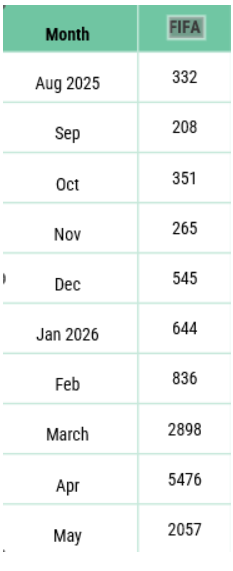
As the FIFA World Cup 2026 approaches, cybercriminals are already taking advantage of the excitement. Between March and May 2026, BrandShield identified a 900% increase in fraudulent World Cup-related domains, with more than 10,000 suspicious domains detected.
Many of these websites imitate official FIFA branding, promote fake tickets, offer counterfeit merchandise, or attempt to steal payment and personal information from fans. While major sporting events create unforgettable experiences, they also create ideal conditions for online fraud.
This guide explains how World Cup scams work, why major events attract fraudsters, and how fans can avoid fake FIFA websites, phishing pages, ticket scams, and counterfeit merchandise.
Why Major Events Create the Perfect Conditions for Online Scams
Major events bring millions of people online at once. Fans rush to buy tickets, book flights, reserve hotels, and purchase merchandise before the best options disappear.
That urgency creates the perfect opening for cybercriminals. When demand is high and emotions are running hot, people are more likely to click quickly, trust unfamiliar sites, and overlook warning signs.
Fraudsters exploit this behavior by creating fake websites, social media ads, phishing pages, ticket offers, and merchandise stores that look legitimate but are designed to steal money, payment details, and personal information.
Why the FIFA World Cup Is a Major Target for Scammers
Few events create more pressure than the FIFA World Cup. With the 2026 tournament approaching, football fans around the world are preparing for a summer of national pride, sold-out stadiums, global travel, and high-demand merchandise.
Supporters are looking for match tickets, flights, hotels, jerseys, collectibles, and fan experiences. Scammers know this. They use the excitement around the tournament to create convincing fraud campaigns that appear at the exact moment fans are most likely to act quickly.
Fans should always start from official FIFA channels, including FIFA.com and the official FIFA Store, before trusting unfamiliar websites or offers.
BrandShield Identified a Surge in Fraudulent World Cup Domains
At BrandShield, we identified a dramatic surge in online scams targeting World Cup fans. Between March and May 2026, there was a 900% increase in the number of fraudulent World Cup-related domains, with more than 10,000 suspicious domains detected.
These sites often look legitimate or include FIFA-related terms in the URL. Many use official-looking branding, professional designs, fake reviews, countdown clocks, and urgent ticket offers. Their goal is simple: convince fans they are dealing with a trusted source before stealing payment details, personal information, or both.
How BrandShield Identifies World Cup Scam Networks
For businesses, the lesson is clear. These scams are not random, isolated incidents. They follow recognizable patterns.
BrandShield identifies these risks by continuously monitoring suspicious domain registrations, fake websites, social media activity, marketplace listings, paid ads, mobile apps, and other digital channels where scammers abuse trusted brands.
By analyzing signals such as domain structure, brand misuse, visual impersonation, keyword patterns, fraudulent offers, and connected attacker behavior, BrandShield helps organizations detect scam networks early, prioritize urgent threats, and take action before customers are misled or harmed.
BrandShield supports organizations with phishing protection, online brand protection, impersonation protection, paid ad scam protection, and AI.ClusterX threat clustering to help identify and disrupt coordinated digital threats.
5 Ways Fans Can Avoid Fake World Cup Websites
As excitement builds, fans should be extra cautious when buying tickets, merchandise, travel packages, or fan experiences online. Here are five warning signs to watch for.
1. Always Check the URL Carefully
Fake websites often use small changes that are easy to miss. A scam site may add extra words, swap letters, use unusual domain endings, or include terms like “official,” “tickets,” “FIFA2026,” or “WorldCup” to appear trustworthy.
Before entering payment details, look closely at the full web address. If the URL looks strange, overly long, or slightly different from the official site, stop and verify it.
For example, a suspicious domain may include the words FIFA, 2026, and World Cup, but still not be official:
fifa2026fworldcup.com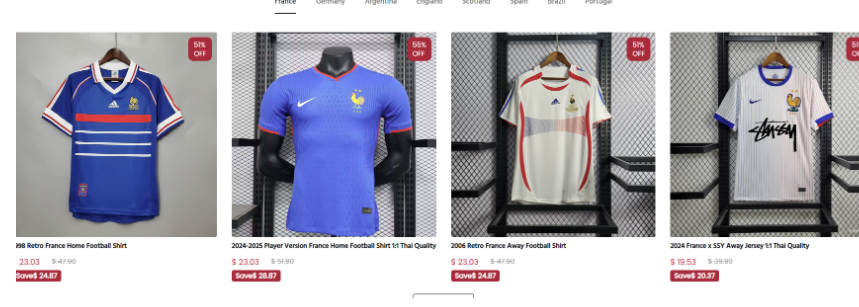
The extra letter before “worldcup” is easy to miss. The official FIFA store URL is much simpler:
https://store.fifa.com/
2. Be Suspicious of “Last Chance” Ticket Offers
Scammers rely on urgency. Phrases like “limited tickets available,” “final release,” “buy now before they sell out,” or “exclusive access” are designed to make fans act quickly without thinking.
These messages trigger a fear of missing out. Fans are excited, ticket inventories are genuinely limited, and nobody wants to miss the opportunity to attend a once-in-a-lifetime event.
Cybercriminals exploit this pressure by creating a false sense of scarcity. They may use countdown timers, claims that only a few tickets remain, or notifications that hundreds of other fans are viewing the same offer.
Legitimate ticket platforms do not need to rely on aggressive pop-ups, suspicious urgency tactics, or unrealistic promises. If a website is pushing you to act immediately, take a step back and verify the source before proceeding.
3. Watch Out for Deals That Seem Too Good to Be True
If a site is offering premium seats at unusually low prices, guaranteed access to sold-out matches, or merchandise at steep discounts, treat it as a red flag.
Cybercriminals know that fans are emotionally invested. They use excitement, loyalty, and fear of missing out to make fake offers more convincing.
Discounts exist, but extreme bargains around high-demand events should always be checked carefully.
4. Buy Only Through Official or Verified Channels
When purchasing tickets, merchandise, travel packages, or fan experiences, use official FIFA channels or verified partners. Avoid clicking links from unsolicited emails, social media ads, messaging apps, or unfamiliar websites.
Even if a site looks professional, that does not mean it is legitimate. Many phishing sites now use polished designs, realistic logos, and convincing checkout pages.
If you are unsure, go directly to the official website by typing the URL into your browser instead of clicking a link from an ad, email, or message.
5. Think Before Sharing Personal or Payment Information
Fake ticket and merchandise sites often ask for more than payment details. They may request passport numbers, phone numbers, addresses, login credentials, or other personal information.
Before submitting anything, ask yourself whether the site really needs that information, whether it is an official source, and whether you have verified the URL.
A few extra seconds of caution can help prevent financial loss, identity theft, and disappointment.
What to Do If You Think You Found a Fake FIFA Website
If you suspect a website is fake, do not enter payment or personal information. Take screenshots, copy the URL, and report the site to the relevant platform, marketplace, payment provider, or official brand owner.
If you already shared payment details, contact your bank or credit card provider immediately. If you shared personal information, monitor your accounts and be alert for follow-up phishing attempts.
In the United States, consumers can also report internet crime to the FBI Internet Crime Complaint Center. In other countries, check with your national cybercrime or consumer protection authority.
What Businesses Can Learn From World Cup Scam Campaigns
For businesses, major event scams show how quickly attackers can exploit public attention. Fraudsters do not need to compromise a company’s internal systems to cause damage. They can create external threats that abuse the brand name, logo, reputation, and customer trust.
These threats can appear across:
- Fake websites and lookalike domains
- Paid search and social ads
- Social media accounts and pages
- Marketplace listings
- Messaging apps
- Mobile apps and APKs
- AI-generated answers and recommendations
That is why businesses need visibility beyond their own websites and security stack. Digital risk now happens wherever customers search, shop, click, and engage.
BrandShield helps organizations monitor and remove external threats across digital channels, including phishing sites, impersonation campaigns, fake ads, counterfeit listings, rogue apps, and threats surfaced in AI-driven discovery environments through AI platforms protection and dark web monitoring.
The Bottom Line
The World Cup should be about football, pride, and the excitement of watching the best teams in the world compete. But major global events also create the perfect environment for online fraud.
As fans prepare for a summer of matches, merchandise, travel, and celebration, cybercriminals are looking for ways to exploit that excitement. Staying alert, checking URLs, avoiding suspicious offers, and purchasing only through trusted channels can help fans enjoy the tournament safely.
The closer we get to kickoff, the more convincing these scams are likely to become. For fans, brands, and event organizers alike, the message is clear: online protection is now part of the game.
FAQ
How can I tell if a FIFA World Cup website is fake?
A fake World Cup website may use a suspicious URL, unofficial branding, urgent ticket offers, extreme discounts, poor contact information, or unusual payment methods. Always verify the site directly through official FIFA channels.
Are fake World Cup ticket websites common?
Yes. Major sporting events create high demand and limited availability, which makes them attractive to scammers. Fake ticket sites often use urgency and professional-looking designs to mislead fans.
Should I trust FIFA ticket ads on social media?
Be cautious. Social media ads can lead to fake websites or unauthorized sellers. Instead of clicking an ad, visit the official FIFA website or verified ticketing partner directly.
What should I do if I bought tickets from a fake website?
Contact your bank or credit card provider immediately, save screenshots and receipts, report the website, and monitor your accounts for suspicious activity.
How do scammers use FIFA branding?
Scammers may use FIFA-related words, copied logos, fake countdown timers, official-looking colors, and professional website layouts to make fraudulent pages look legitimate.
How can brands stop event-related scam websites?
Brands need continuous monitoring across domains, websites, social media, paid ads, marketplaces, mobile apps, and AI channels. They also need enforcement workflows to remove threats quickly before users are misled.
Protect Your Brand From Event-Based Scams
Major events create major opportunities for fraud. BrandShield helps organizations detect, prioritize, and remove scams across domains, websites, social media, paid ads, mobile apps, marketplaces, and AI-driven channels.
By identifying suspicious patterns early and connecting related threats, BrandShield helps brands act before customers are misled or harmed.